
According to recent estimates, more than 52,000 people lose their lives from drug addiction each year. Of those overdose deaths, about 63 percent or 33,000 people, are from opioids like prescription painkillers and heroin.1 Of course, there’s hardly a single demographic that hasn’t been devastated by the opioid epidemic, but teens are one of the fastest-growing people groups when it comes to rates of opioid addiction.
For this very reason, there are more young adults (aged 18 to 25) abusing prescription opioids than any other age group2 with this disheartening trend showing no signs of slowing.
The fact that more and more teens are becoming addicted to opioids may be surprising to some. Despite the rise in heroin use nationwide, one might presume that opioid drugs would be difficult for teens to obtain, serving as a sort of built-in deterrent from opioid addiction. However, between 1997 and 2012, the number of youths and teens under age 19 who were admitted to hospital emergency departments due to opioid misuse has increased by 165 percent.3
Clearly, access to opioids doesn’t seem to be the problem, which leads one to wonder how it is that teens are gaining access to opioid drugs. In other words, how does teen opioid addiction begin?
The Usual Suspects
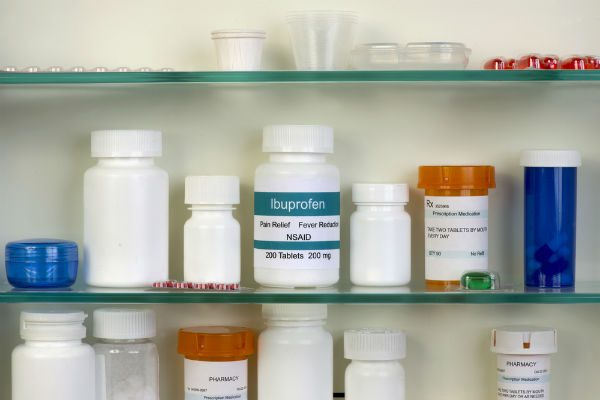 First, let’s cover the most apparent sources of opioids for teens. Research has shown us that it’s quite common for teens to obtain opioid drugs from within their own homes. In fact, nearly 60 percent of opioid-abusing teens obtain their drugs in this way.4 As it happens, when a parent or sibling receives a prescription for painkillers due to an injury or illness, the unfinished prescription remains in the medicine cabinet, readily available to anyone else in the home.5
The recipient of the prescription may even forget that it’s there, allowing a teen or other household member to help himself or herself without anyone being the wiser. Besides finding opioids at home, some teens get opioids from friends or other peers. And remember that many of those peers may have found the opioids in their own homes.
Doctor or Drug Dealer?
Like adults, teens can obtain opioids through legitimate channels, too, such as when they’re prescribed painkillers by their doctors. Basically, when a teen is prescribed painkillers, the doctor or physician has determined that the teen’s injury or illness warrants pain management. More often than not, this happens when there’s some sort of medical procedure, like having one’s tonsils removed or a sport-related injury.
In fact, the tendency of injured high school athletes to develop addictions to painkillers is a known phenomenon about which there has recently been a flurry of research.6 Unfortunately, even teens who are prescribed painkillers for legitimate purposes and use those painkillers as-prescribed are at elevated risk of opioid addiction.
Similarly, a survey administered in 2015 revealed that at least 8 percent of teens readily admit to having intentionally misused prescription painkillers at least once before, and the vast majority of those teens had started out by with legitimate painkiller prescriptions that they took as directed.
Whether sneaking painkillers from the medicine cabinet or receiving a prescription for a sports injury, a teen who uses opioids is at high risk of becoming addicted. This is important because the vast majority of adults who suffer from addiction first abused mind-altering substances during their adolescent and teen years.9 It highlights just how dangerous the use of opioids really is, especially for teens who are still developing physically, psychologically and neurologically.
By Dane O’Leary, Contributing Writer
Sources
1 http://www.asam.org/docs/default-source/advocacy/opioid-addiction-disease-facts-figures.pdf
2 https://www.drugabuse.gov/related-topics/trends-statistics/infographics/abuse-prescription-rx-drugs-affects-young-adults-most?utm_source=external&utm_medium=api&utm_campaign=infographics-api
3 http://www.mdedge.com/pediatricnews/article/118397/mental-health/confront-youth-opioid-misuse-head
5 http://jamanetwork.com/journals/jamapediatrics/fullarticle/1356476
6 http://www.lockthecabinet.com/news/high-school-athletes-and-prescription-painkiller-misuse/
7 http://www.livescience.com/35593-opioid-drug-abuse-children.html
8 http://www.cbsnews.com/news/teenage-opioid-addiction-begins-doctors-office/
9 https://archives.nida.nih.gov/sites/default/files/podat-guide-adolescents-508.pdf